
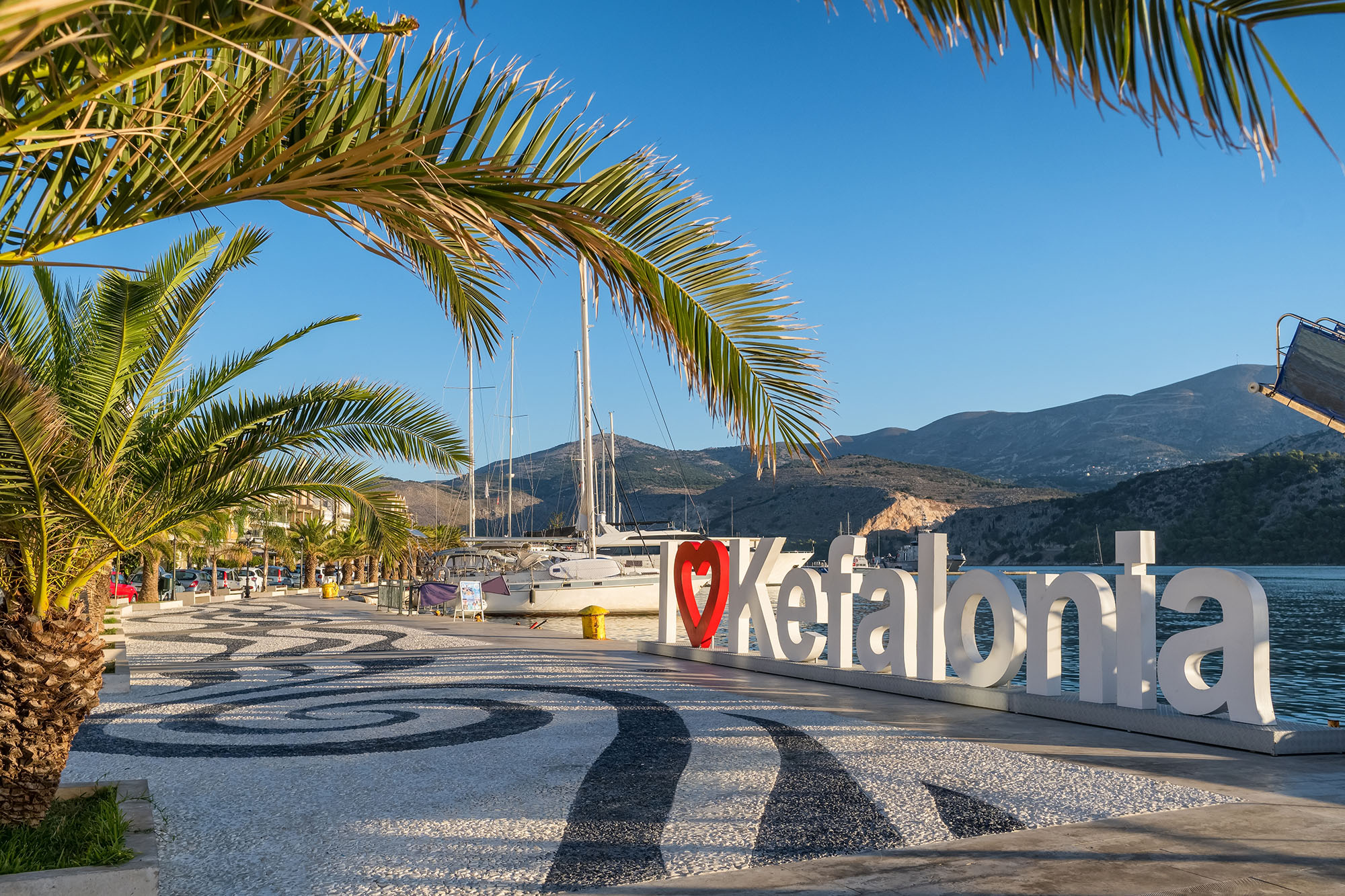
Kefalonia is the largest and most geographically diverse of the Ionian Islands, celebrated for its dramatic landscapes, towering mountain ranges, and world-class coastlines. The island is home to Mount Ainos, a national park covered in a unique species of dark fir tree, which creates a striking contrast with the sapphire waters below. Kefalonia's coastline features some of the most photographed beaches in the Mediterranean, most notably Myrtos Beach, where sheer white cliffs plunge into a dazzling turquoise sea, alongside other stunning spots like Antisamos and the red sands of Xi Beach.
The island's history is a rich tapestry of cultural influences, including Byzantine, Venetian, French, and British rule, all of which left their mark before Kefalonia joined Greece in 1864. Although a devastating earthquake in 1953 destroyed much of the historic architecture across the island, the resilient locals rebuilt their communities while preserving their heritage. The northern village of Fiskardo miraculously survived the tremors intact, offering visitors a rare, authentic glimpse of pre-earthquake Venetian grandeur with its pastel-colored mansions and bustling, cosmopolitan harbor.
Beyond its surface beauty, Kefalonia boasts extraordinary geological wonders and a thriving local culture. Visitors can explore the surreal underground Melissani Cave, where a collapsed roof allows sunlight to illuminate an electric-blue subterranean lake, or wander through the stalactites of Drogarati Cave. The island is also famous for its vibrant musical traditions, romantic cantades, and unique gastronomy, including the crisp, native Robola wine and rich meat pies (kreatopita). Combining natural grandeur, mystical geology, and a warm, spirited population, Kefalonia offers an unforgettable and diverse travel experience.