
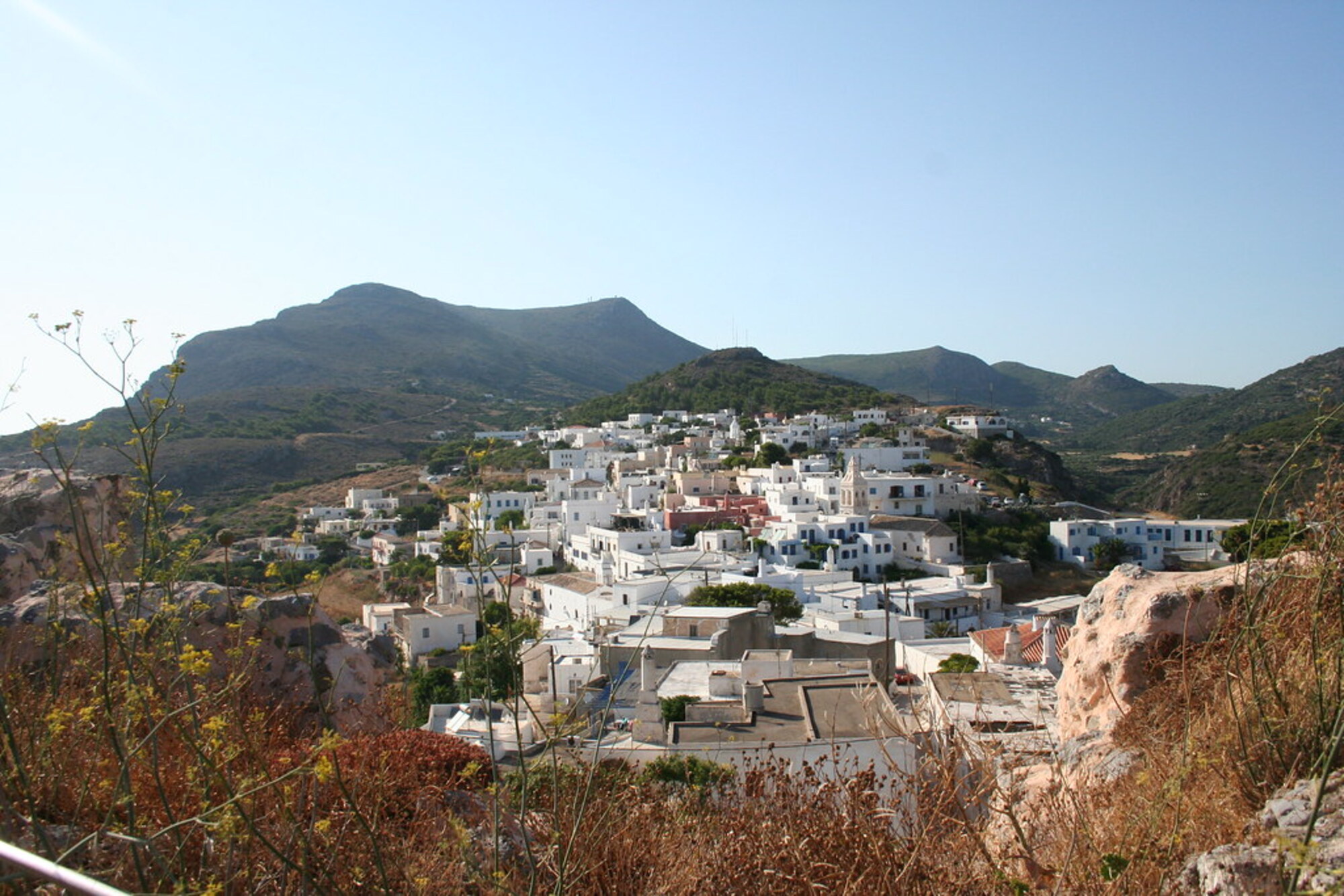
Kythira, also known historically as Cerigo, occupies a unique geographical and cultural position at the junction where the Ionian, Aegean, and Cretan seas meet. Although politically grouped with the Ionian Islands, its landscape and architecture display a fascinating duality, blending the rugged, whitewashed charm of the Cyclades with the softer, greener traits of the Ionian. The island is characterized by dramatic gorges, hidden waterfalls like those in Mylopotamos, and a coastline dotted with pristine, diverse beaches ranging from the dramatic cliffs of Kaladi to the sweeping sands of Kapsali.
Mythologically celebrated as the birthplace of Aphrodite, the goddess of love and beauty, Kythira has a history shaped by its strategic maritime location. Over the centuries, it was contested and ruled by Spartans, Romans, Byzantines, Venetians, and the British, each leaving behind a distinct historical imprint. This rich past is beautifully preserved in the island's capital, Chora, which is crowned by a majestic 13th-century Venetian castle overlooking the twin bays of Kapsali, and in the traditional architecture of its inland stone villages.
Today, Kythira remains a hidden gem for travelers seeking authenticity, tranquility, and an escape from mass tourism. The island's economy and culture are deeply tied to its pristine natural environment and high-quality local products, most notably its world-famous thyme honey and the vibrant yellow sempreviva flowers that grow only on its rocky cliffs. With its network of old hiking paths, medieval ghost villages like Paliochora, and a slow, welcoming pace of life, Kythira offers a captivating journey into an unspoiled corner of Greece where myth and reality seamlessly intertwine.