
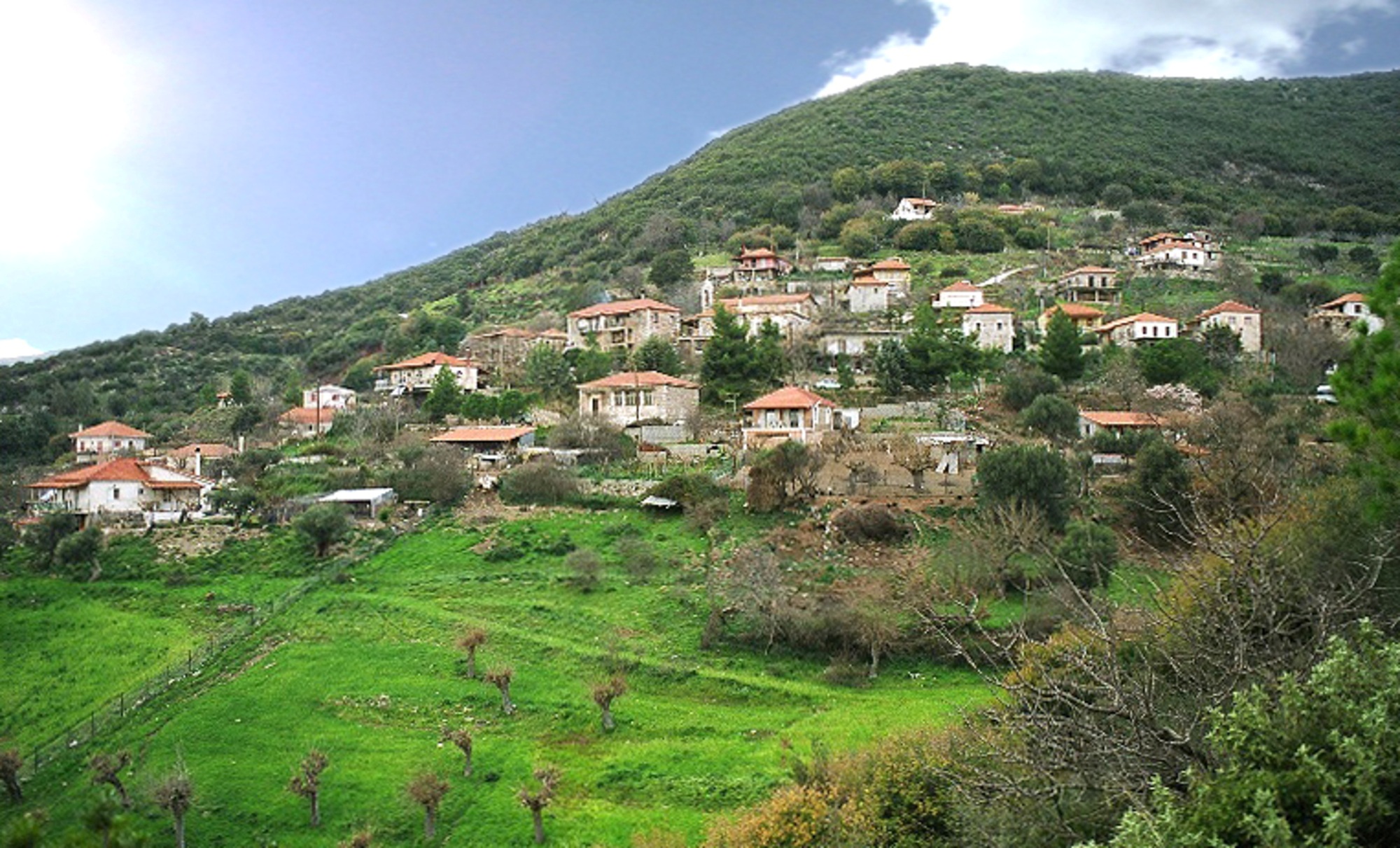
Messenia (or Messinia), occupying the southwestern finger of the Peloponnese, is a region blessed with an extraordinary climate, endless sandy beaches, and a rich agricultural landscape. Framed by the majestic Mount Taygetos to the east and the shimmering Ionian Sea to the west and south, its topography features vast, fertile plains that have earned it a reputation as one of Greece's most bountiful gardens. This gentle and welcoming landscape contrasts beautifully with the rugged capes of the southern Peloponnese, making Messenia an exceptionally diverse and inviting Mediterranean destination.
The identity of Messenia is steeped in a deep historical narrative that spans millennia. In Homeric epic poetry, it was the kingdom of the wise King Nestor, whose grand Bronze Age palace near Pylos remains one of the best-preserved monumental structures of Mycenaean Greece. The region's classical history is beautifully encapsulated at Ancient Messene, an expansive and remarkably intact archaeological site featuring an ancient stadium, theater, and massive fortification walls. Messenia's strategic maritime importance is further highlighted by its imposing medieval fortresses, most notably the twin castle-towns of Methoni and Koroni, which guarded the trade routes of the Mediterranean for centuries.
Today, Messenia balances its rich historical legacy with a sophisticated, modern approach to tourism and sustainable development. The regional capital, Kalamata, is a vibrant seaside city known for its long beach, lively cultural scene, and its world-famous extra virgin olive oil and Kalamata olives. The region has also become a premier luxury destination, boasting pristine coastal areas like Voidokilia-a uniquely symmetrical, horseshoe-shaped bay-and the historic Bay of Navarino. From the traditional stone architecture of Outer Mani to the peaceful seaside towns of Finikounda and Kyparissia, Messenia remains a captivating destination where ancient legends, lush groves, and the crystal-clear Ionian Sea effortlessly unite.