
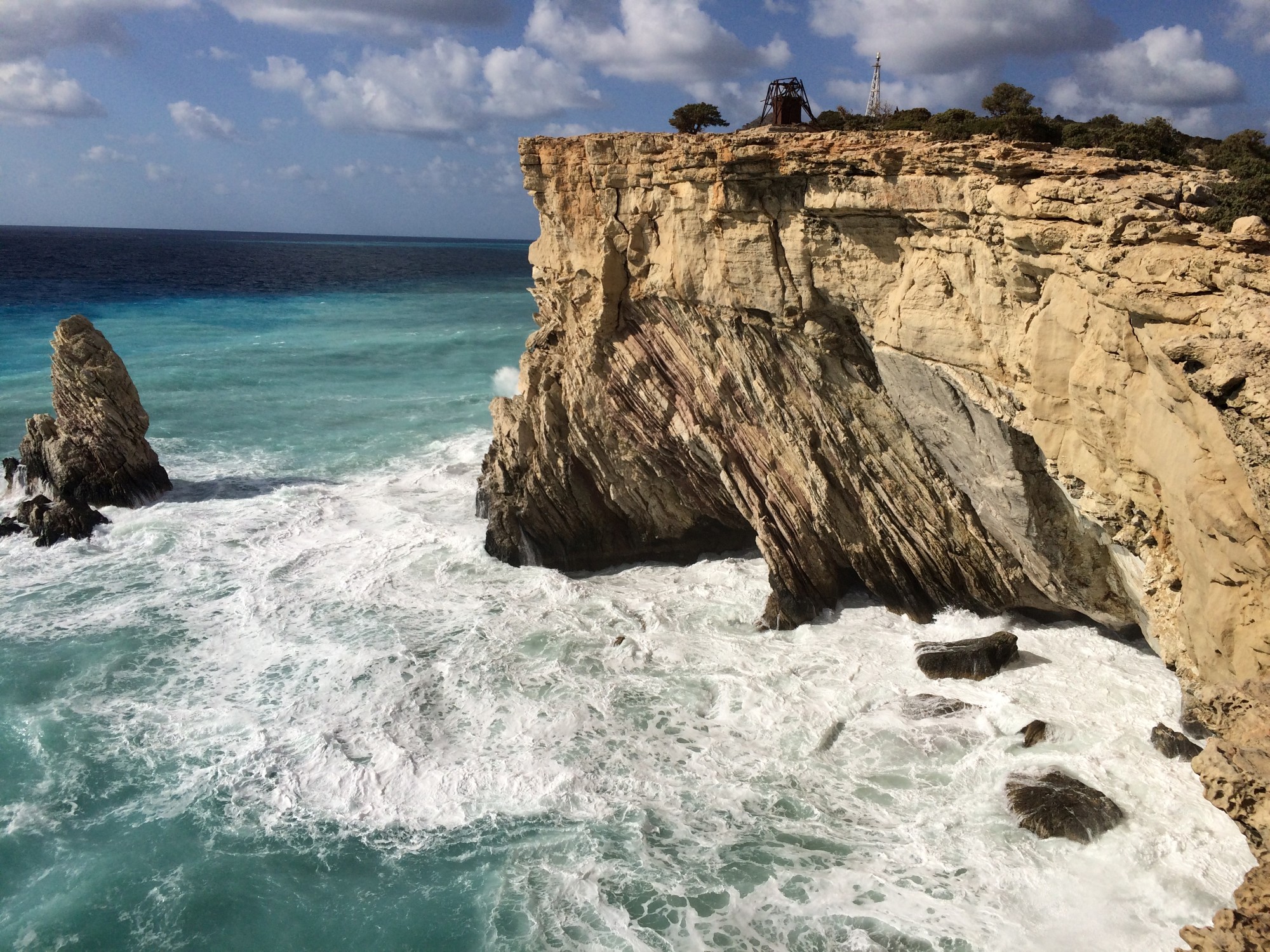
Gavdos, the southernmost tip of Europe, carries a long and fascinating historical journey that begins in the depths of prehistory. Archaeological findings prove human presence on the island as early as the Neolithic and Paleolithic eras, while its strategic geographical location later made it an important maritime crossroads during the Minoan, Roman, and Byzantine periods. In Greek literature and mythology, Gavdos has been identified by many scholars as the Homeric Ogygia, the mythical and isolated island of the nymph Calypso, where Odysseus spent seven years in captivity during his return to Ithaca.
Over the centuries, with the rise of piracy in the Mediterranean during the Middle Ages, the island gradually began to depopulate, as it was an easy target and an ideal base for pirates. Later on, Gavdos followed the historical fate of neighboring Crete, passing first under Venetian rule and then, in 1665, into the hands of the Ottomans, who named it Babado. Despite these administrative and historical shifts, the island's population remained limited and cut off from the major developments of the mainland, nevertheless maintaining a unique, autonomous character.
In the modern Greek history of the 20th century, Gavdos acquired a distinct and emotionally charged identity, serving as a place of exile for hundreds of political prisoners during the Interwar period and the Metaxas dictatorship. These exiles coexisted harmoniously with the few locals and left their mark on the island, even building some of the stone structures that survive to this day. After the middle of the century, internal migration led most of the inhabitants toward the urban centers of Crete, shaping the island's current image as an iconic and world-renowned destination for alternative tourism.